+86 18791176186
  yunhuati@163.com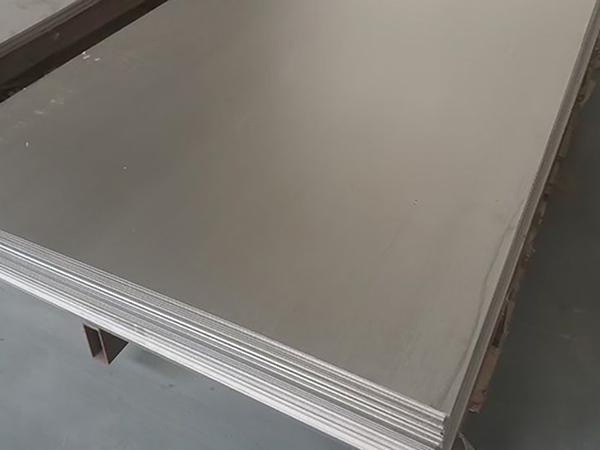
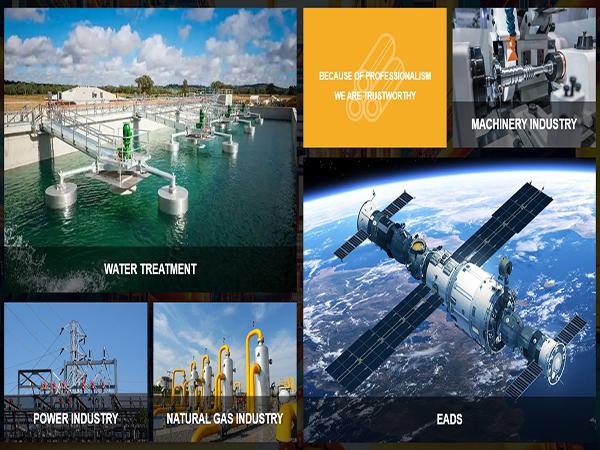
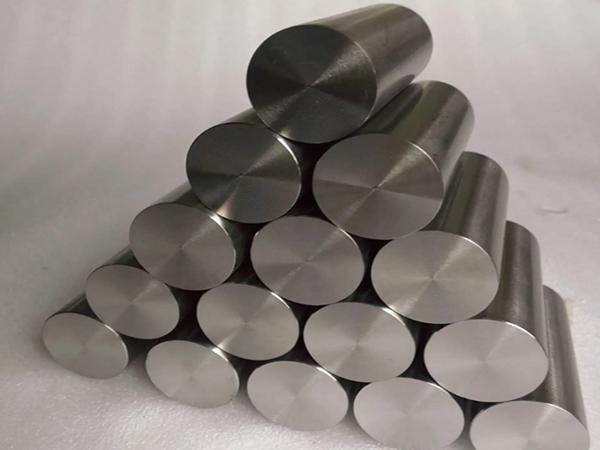


Tungsten and molybdenum are two high-temperature resistant metals, and together they represent an industry known as the refractory metal industry. Other refractory metals include niobium, zirconium, titanium, and hafnium, rather than just one element. It plays a significant role in industrial development, and the current products are mainly used on the energized electrodes of argon arc welding machines. China is a major producer of tungsten and molybdenum in the world, accounting for 80% of the world's exports. It is widely used in industrial fields such as welding, electric light sources, electronic devices, chemical industry, mining, metallurgy, shipbuilding, petroleum, aerospace, etc., with a very broad prospect.
Tungsten molybdenum and tungsten molybdenum alloys have become heavy materials for electronic power equipment manufacturing, metal material processing, glass manufacturing, high-temperature furnace structural component manufacturing, aerospace, and national defense industry applications due to their excellent thermal conductivity, conductivity, low thermal expansion coefficient, high temperature strength, low vapor pressure, and wear resistance. The application of molybdenum and molybdenum alloys in the above-mentioned fields mainly adopts methods such as machining, forming, metal processing, and welding.
High temperature resistant metals have excellent thermal conductivity, conductivity, low thermal expansion coefficient, high temperature strength, low vapor pressure, and wear resistance. They are important materials for electronic power equipment manufacturing, metal material processing, glass manufacturing, high-temperature furnace structural component manufacturing, aerospace, and defense industry applications.