+86 18791176186
  yunhuati@163.com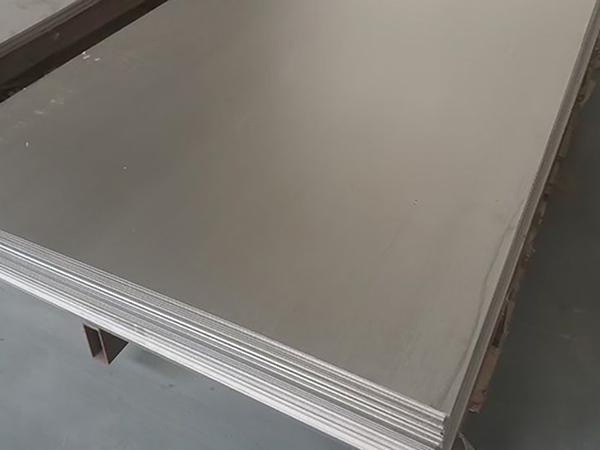
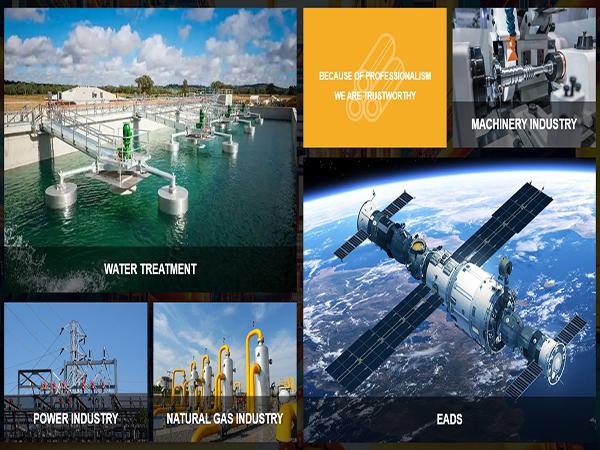
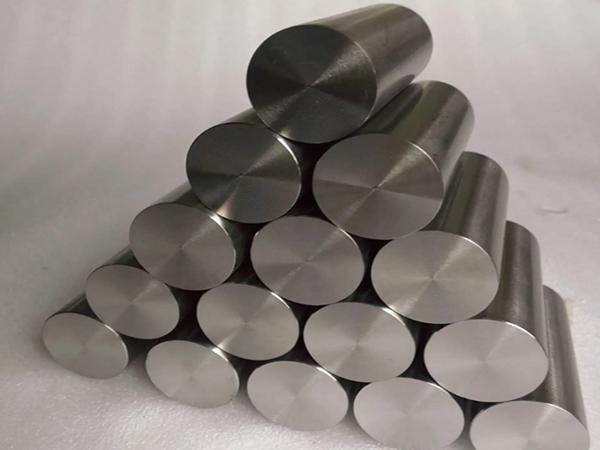


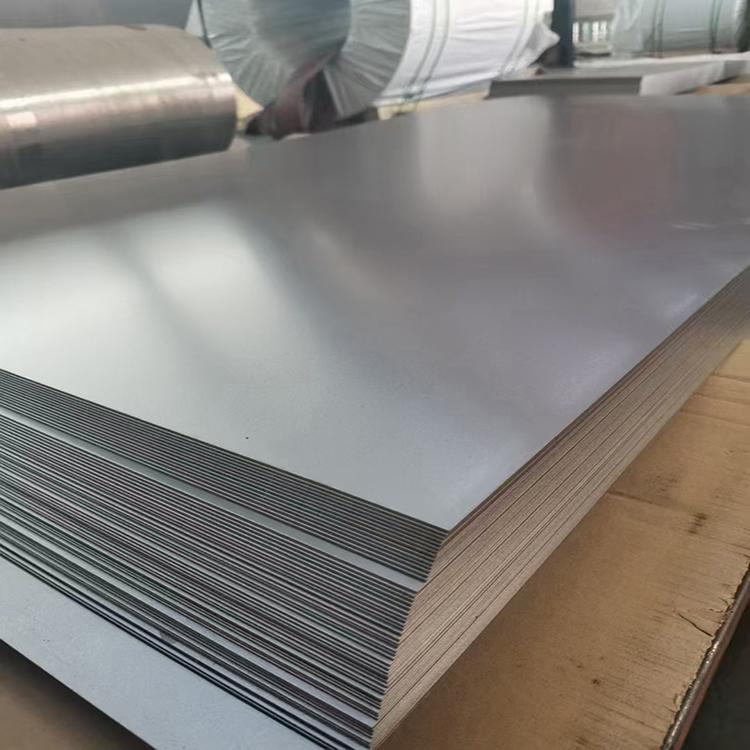
Titanium plate is a metal plate made from titanium as raw material. Titanium is a very special metal with a very light texture, but it is also very tough and corrosion-resistant. It will not turn black like silver and will maintain its color tone for life at room temperature. The melting point of titanium is not much different from that of platinum, and it is widely used in industries such as metallurgy, electronics, medical, chemical, petroleum, and aerospace.
There are two standards for titanium plate execution:
The national standards are GB/T3621-2007 and GB/T13810-2007
The American standards are ASTM B265, ASTM F136, ASTM F67, and AMS4928.
Titanium plate grade
American standard grades: GR1, GR2, GR3, GR5, GR7, GR12
Russian tag numbers: BT1-00, BT1-0, BT1-2, etc
Domestic grades: TA0, TA1, TA2, TA3, TA5, TA6, TA7, TA9, TA10, TB2, TC1, TC2, TC3, TC4
Manufacturing process of titanium plate:
Hot forging: a forging process carried out above the recrystallization temperature of metal.
Hot rolling: a rolling process carried out at temperatures higher than the recrystallization temperature.
Cold rolling: a rolling process in which the plastic deformation temperature is lower than the recovery temperature.
Annealing: A metal heat treatment process in which a metal is slowly heated to a certain temperature, held for a sufficient period of time, and then cooled at an appropriate rate (usually slow cooling, sometimes controlled cooling).
Acid washing: Immerse the workpiece in an aqueous solution such as sulfuric acid to remove thin films of oxides and other substances on the metal surface. It is a pre-treatment or intermediate treatment for electroplating, enamel, rolling and other processes.
Characteristics of titanium plate:
1. Titanium plate is a surface oxide film that acts as a good durable and wear-resistant separating agent. Using titanium plate saves the separating agent, making it easy to peel off the electrode plate and eliminating the need for pre-treatment. Titanium plate is half lighter than copper plate.
The service life of titanium plate is more than three times that of copper plate, and can reach 10-20 years according to operating conditions.
3. Electrolytic copper produced from titanium plates has a dense crystal structure, smooth surface, and excellent quality.
4. Due to the fact that titanium plates do not require the application of separation agents, contamination of copper electrolyte can be avoided.
5. Improve production capacity and reduce the production cost of electrolytic copper, thereby achieving better economic benefits.
Surface quality of titanium plate:
1. The surface of the board should be smooth and metallic in color. The board is allowed to be supplied with sandblasted surfaces;
2. Slight darkening and localized water marks are allowed on the surface of the board; Local scratches, indentations, pits, and other defects that do not exceed half of the thickness tolerance are allowed, but a smaller thickness should be ensured;
3. The surface of the board is not allowed to have macroscopic defects such as cracks, peeling, oxidation, folding, metal and non-metal inclusions, and traces of alkali washing;
4. The plate is allowed to have clear local defects along the rolling direction, but the thickness of the plate after removal shall not be less than the allowable thickness of z;
5. When there are special requirements for the surface quality of the board, it can be supplied through negotiation between the supply and demand parties.